TBIH2021 ONLINE EDITION

In the last newsletter before the final report of the 20th online edition and annoucement of 2021 "Project of Influence" title holders, we feature five interviews. 

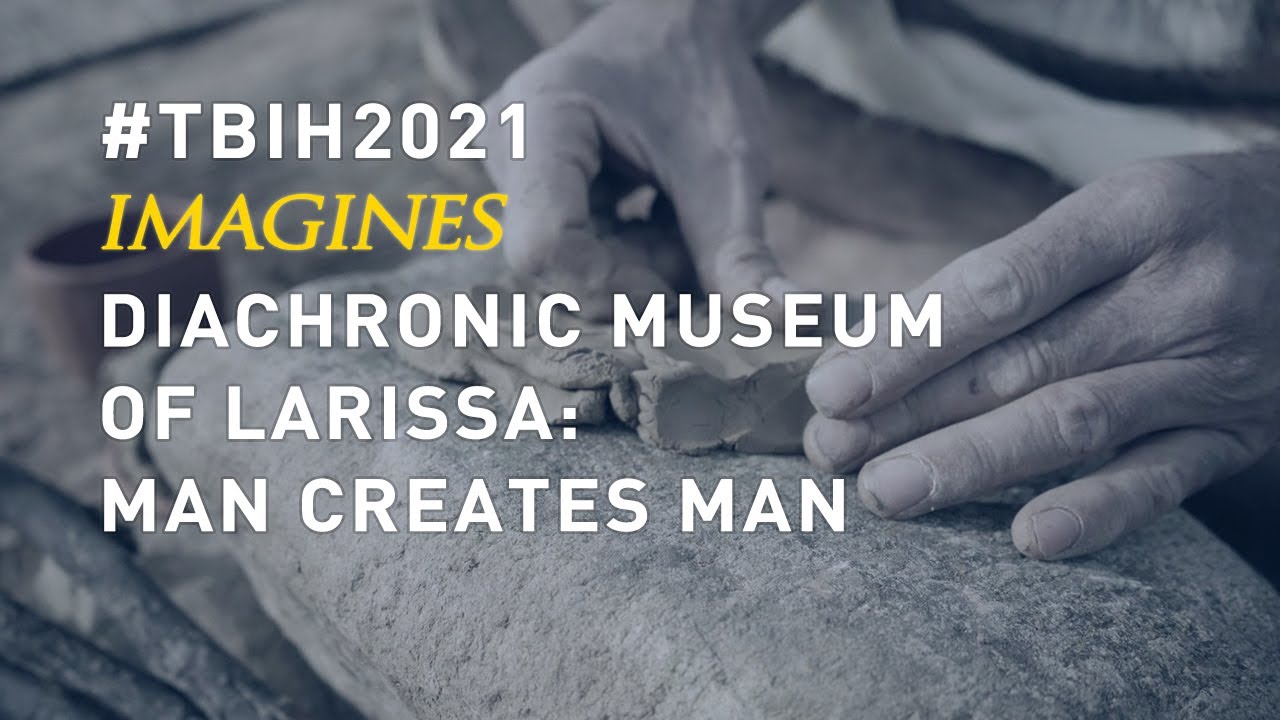
In IMAGINES programme, Georgios Toufexis, Archaeologist at the Ephorate of Antiquities of Larissa - Diachronic Museum of Larissa, talks to TBIH's Alexey Tikhonov about the "Man Creates Man" project. It won both the Best Storytelling Video and Museums in Short Award in 2020. 

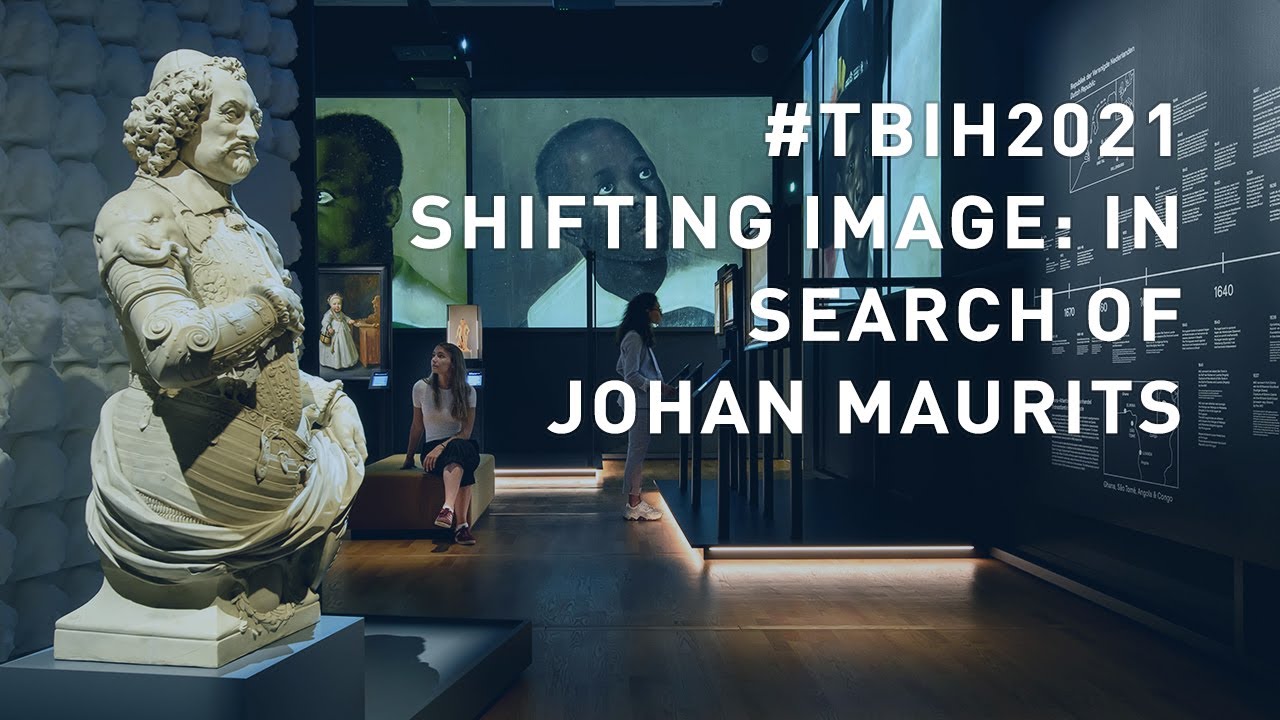
Curator of the Mauritshuis Lea van der Vinde, Partner and Creative Director of Studio Louter Barend Verheijen & Partner and Creative Director at OPERA Amsterdam Jeroen Luttikhuis talk to TBIH's Marta C. Lourenço about The Shifting Image - In Search of Johan Maurits exhibition. It won the Museums + Heritage Award 2020 for International Project of the Year below £1m. 

Creative Producer at Seven Stories, the National Centre for Children’s Books, Sarah Cotton talks to TBIH's Beth Redmond-Jones about the Supporting Families in Byker During Lockdown project. It won the Museums Association United Kingdom Best Lockdown Project Award in 2020. 

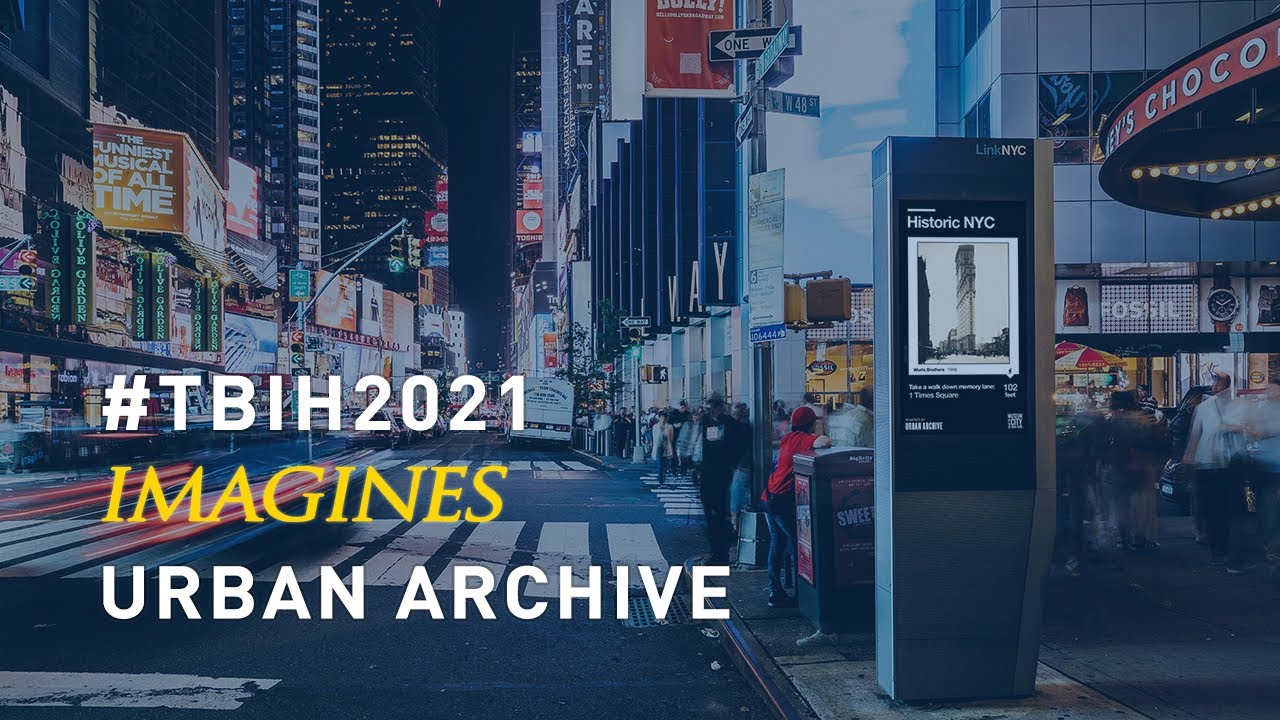
In the IMAGINES section, Cofounder of Urban Archive Ben Smyth talks to TBIH's Alexey Tikhonov about the Urban Archive project, by Urban Archive & Museum of the City of New York. It won the American Alliance of Museums' MUSE Digital Campaign Award 2020. 

And finally, in the core programme, Head of Education at the House of Austrian History Eva Meran talks to TBIH's Marta Lourenco about this museum that won the European Museum Forum's Kenneth Hudson Award in 2020.

For information on all featured laureates in 2021 click here.

All videos of the 20th edition are available here


The narrative is seeking to unfold thoughts, feelings and motivations which led the farmers of a Neolithic village in Thessaly (Central Greece) around 5.500 B.C to proceed to a unique ritual: to set a clay house model with nine clay figurines inside representing the members of a Neolithic household, in the rubble of a house destroyed by fire. Pictures and sounds have been carefully designed to fit the natural and social environment of the Neolithic communities based on the archaeological evidence but also to raise awareness in the relations of present-day humans with nature.

The Mauritshuis is a Dutch art museum with mostly Dutch seventeenth century paintings, and was named after the man who had it built as his home: Johan Maurits. In 2018 a public discussion about colonialism, slavery and heritage arose in the Netherlands when the Mauritshuis decided to remove a modern replica of Johan Maurits's bust from the foyer of the museum. A so-called Twitter-war was the pinnacle of this, with Dutch media, critics and even politicians interfering in the polarised debate. The Mauritshuis decided to continue the conversation with the exhibition Shifting Image - In Search of Johan Maurits, done in collaboration with Studio Louter & OPERA Amsterdam.

Throughout the COVID-19 crisis, Seven Stories continued to work at the heart of the local community with schools and partners in the voluntary sector to support vulnerable children and families.  Keeping children happy, active and busy through an unsettling time is essential for their mental health but many families had few resources at home to support creative play and keep children entertained.  Children’s books and creative activities were shared online, in schools and delivered to children’s doorsteps, bringing some hope and joy at a time when it was most needed.

Urban Archive is a technology nonprofit that extends the reach of cultural organizations by providing them with collaborative tools to share local history with the public. With its web and mobile app, the organization merges open city data and the digital collections of museums, libraries, and city agencies around the world, making it easier than ever for the public to explore today’s changing urban environment. Learn more and download the app at urbanarchive.nyc.

The House of Austrian History is Austria’s first museum of contemporary history. Presented in a modern way and conceived as a discussion forum, the museum invites visitors since 2018 to the Hofburg to examine and discuss Austria’s history. Starting with the founding of the democratic republic in 1918, it focuses on social change and political fault lines. While the questions it asks are aimed at the past, they remain relevant to the present as well. It also offers a wide range of educational services and an innovative web platform.

REPORT ON THE 20th EDITION AND ANNOUNCEMENT OF 2021 PROJECTS OF INFLUENCE IN OUR NEXT NEWSLETTER!
facebook  twitter  youtube 
Modify your subscription    |    View online
The Best in Heritage
Trg kralja Petra Krešimira IV, 7, 10000 Zagreb, Croatia